You get to the place where you feel you can write nothing more about the shameful asylum seeker detention regime – especially when long-standing champions of advocacy plead that even the Nauru strategy is preferable to the latest sleight of hand involving Malaysia.
It seems that we have to move even closer to the edge of ridiculousness for even the most crowd pleasing politicians to wake up to the fact that they are participating in the theatre of the absurd. Thank God for and NGOs and church agencies that are able to keep sounding a constant drumbeat on how human beings should be treated.
“Treat others as you want them to treat you!” That’s the burden of this morning’s Christian Religious Education lesson emerging from the controversial (in Victoria) Access curriculum. Although a pithy sound bite from Jesus’ Sermon on the Mount, similar wisdom is found in sacred texts preceding Matthew 7:12 in Judaism, Buddhism and Confucianism as well as others that came after. There is not one major world belief system that does not replicate this aphorism in one way or another. Even those who profess no religious belief concur with the beneficent centrality and common sense of this call.
Anyhow, our task this morning is to compare the Golden Rule with our day to day rules in school and family to see the degree to which these reflect this ancient wisdom. We will probably discover that most rules have something to do with mutual safety and respect for one another. But I reckon the students will tell me that!
Now if we could only apply it in public life where controversy and debate over climate change, refugees, indigenous reconciliation and other stirry topics hold sway.
The timing of the rallies clashed with this morning’s church services, but we finished giving just sufficient time for supporters to leave and join the anticipated throng meeting at Perth’s cultural centre. Of course, opponents of the tax were present in our worship service as well.
We attempted to filter these differences, partly symptomatic of the wedge politics that presently plagues public discourse, through John 17:1-11 featuring the opening sentences of Jesus’ prayer that those who follow him might be one.
We noted that genuine followers of Jesus, for different reasons, might find themselves facing each other from opposing rallies today. The tough challenge they face is to slice through the general rhetoric and name-calling to discover common ground – for there are concerns shared by both sides of the argument. Christ left a marker by which his followers would recognise one another – the spirit of love that unifies one another as the Son and the Father. Such love will be marked by a concern for the common good which includes a sustainable environment for future generations and due alleviation of hardship for the most vulnerable of the present generation.
We may see folk we know on tonight’s TV news. Let’s hope they’re being friendly!
We can try and create events that proscribe the words of Jesus’ deepest and most intimate prayer. We set up councils and events and programmes to “promote” Christian unity. This is good and necessary work, even when frustrations put stumbling blocks in the way.
It is not through the structures we create, however, but it is in the relationships we form in working through our difficulties and differences of perspective that we discover the unity we seek.
Jesus must have known this when he broke all human resources rules by putting together so many opposing personalities on his original team of twelve. Fishermen and tax-collectors, zealots and conservatives, idealists and pragmatists. How was he ever going to get them heading in the same direction?
Yet here is the confidence of his prayer “… so that they may be one, as we are one…” He knew something about the magnetic, melting power of the application of the kind of love that emanates from the heart of the Creator.
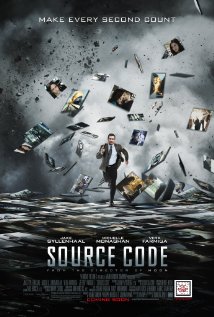
I was feeling starved of movies and had a couple of hours free this morning. Source Code seemed the best of the crop at the local multiplex, although the synopsis looked as though I might be in for another version of Groundhog Day. Avoiding spoilers, this wasn’t far off the mark. It involved romance, and it involved a plot that meant a continuous returning to a slot of time to repeat a sequence of events in order to discover something. The difference in the two story-lines illustrates the differences in the dominant preoccupations of the 90s and a decade into the new millennium. Groundhog Day was the story of a quest to find one’s true self, and its comedy genre reminds us of more optimistic times. The more complex challenge in Source Code uses some edgy sf technology and a few bio-ethical questions to harvest intelligence to defeat a terrorist attack. Both carry the sub-text of the debate between human free-will and determinism. Source Code adds the intriguing possibility of altering the course and outcome of events that have already occurred. Like The Adjustment Bureauand Minority Report, the hero fights a two-dimensional, seemingly all-powerful bureaucracy to demonstrate that the freedom of the human spirit must prevail. Endings of such story-lines are generally twee and unsatisfying (we like fairy tale endings), but I always find the struggle intriguing.
Three stars out of five, just for the fact that it casts some fresh light and shade on a theme we seem not to have gown tired of.
Especially when the toner runs out mid-run and you find the cartridge you thought you had on standby is the one that’s just run out.
Especially when the courier bringing the replacements neglects to take a few extra steps to the office door and, in stead, leaves a “Collect from Post Office after 4:30pm” ticket.
Especially when you are as far as possible from the office phone when it rings – you race to get to it and pick it up just in time to hear a fax tone.
I’m sure I could go on, but my blood pressure’s high enough!
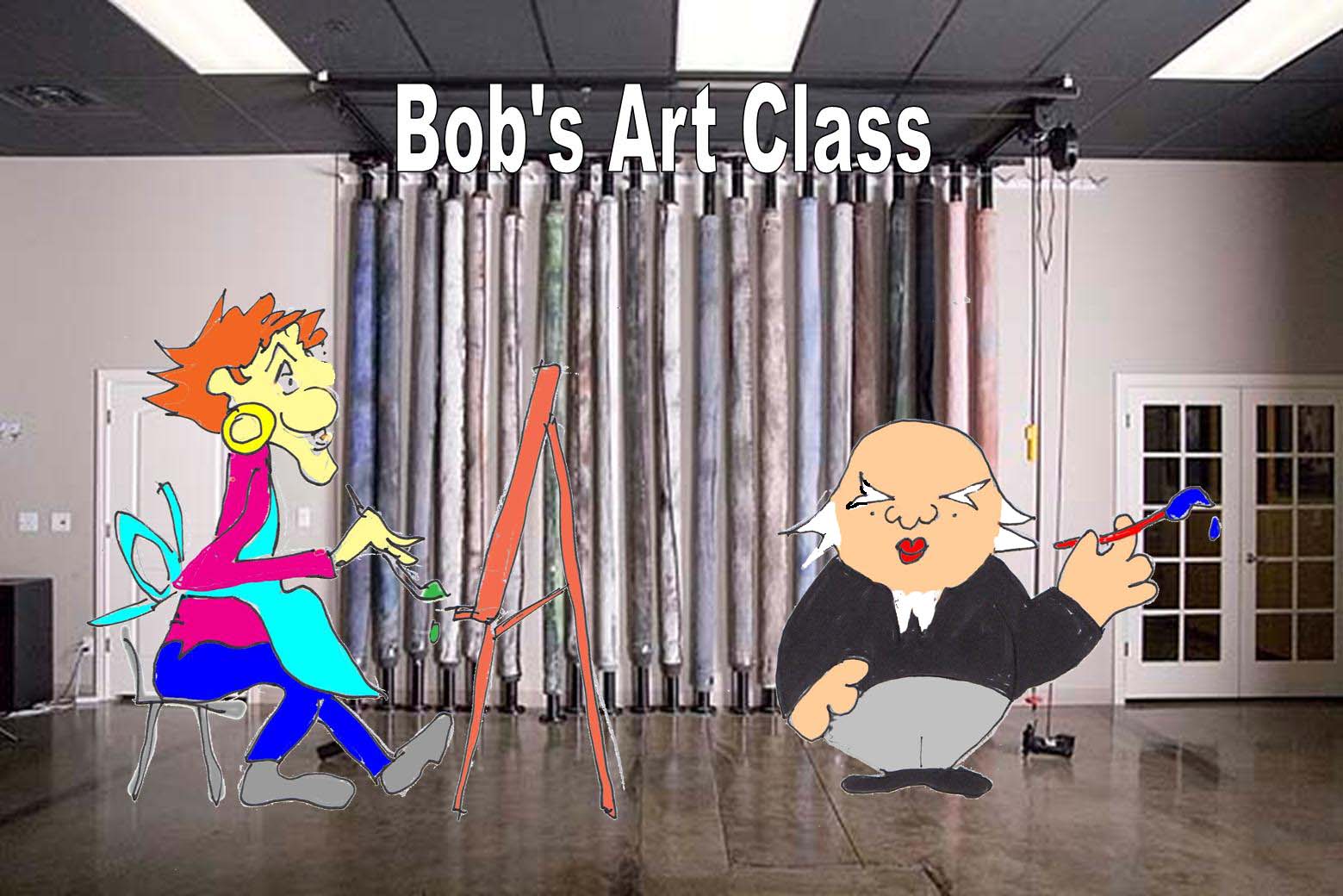
… invited me to step into Bob’s art class at church today. The subject was “extension” – a device of exaggeration that cartoonists use to create caricatures. So here’s the result with the aid of some technology. Everyone’s ducking for cover now for fear that I might “do” them next!
In the light of the current discussions on the nature of the “secular” in relation to religion in the public arena, particularly where government funding of religious programs in state schools is concerned, or even access of religious groups within the education system, it’s sometimes helpful to hear a voice from outside.
See Thio Li-ann: Religion & the Secular State. It is in response to document pointed out by a colleague today:Religion and the Secular State: National Reportsas presented to the 2010 International Congress of Comparative Law. The report is over 800 pages, but p87ff gives an informed and concise account of the state of play in Australia between state and religious organisations from a historical and legal perspective. It’s worth reading because so many confuse the pervasive US stance as the rule of thumb for all free democratic societies.
Thio Li-ann’s response clarifies multiple ways of defining the term “secular.” Some would say a reference to another country’s response muddies the waters for the Australian context. Others may see some clues that create new ground for debate that is less polarised due to clarity of terminology.
How come Cate Blanchett is vilified for speaking into the carbon tax debate and ever-so-much-more-wealthy mining barons are free to complain loudly while media companies sycophantly bend over backwards to ensure they are heard?


 Wondering Pilgrim