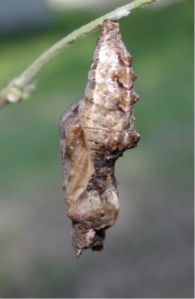
Yes, this is the year that will see me cease earning and have Jenny and I living off savings for the rest of our natural life.
My life as an earner began as a skinny bespectacled 13 year old selling iced finger buns door to door in Adelaide’s northern suburbs. I would arise early Saturday mornings, ride my creaking bike 10 km to the mum and pop bakery and there, with other eager youths, among the flour and fly traps, pack the freshly baked and iced buns into trays ready for delivery. We would pile into the back of the boss’s ute, ready for a wild ride to be spotted strategically around the suburban streets. By early afternoon we would be collected, paid according to our sales, and then the weary 45-minute bike ride home. Since then I have clerked, retailed, packed, stored, painted, gardened, demolished, swept, and then, for the bulk of my working life, served as a Churches of Christ minister in Victoria, Western Australia, South Australia and the Australian Capital Territory.
In June, a new chapter begins. Retired or Refired? Employment under a contract may cease, but vocation will continue.
On this first day of a year of transition for Jenny and myself, my mind recalls the mantra drummed into my growing years of maintaining a balanced life based on a text repeated in yesterday’s service commemorating Jesus’ Presentation at the Temple.
And Jesus increased in wisdom and stature and in favour with God and man. (Luke 2:52)
So, over the next few entries, I will consider what the transition may look like vocationally. How will our minds be engaged? How will we continue to maintain and develop our physical resources? How will we nurture spiritual growth? What will continued social and human service look like?
And, importantly, how will we and our current faith community at Wembley Downs, where our identities are so intertwined, navigate the changes ahead?
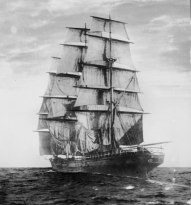 At its best, tradition is like a tall sailing ship, navigating the uncharted narrow shoals of postmodern times. Its cargo is the virtues and values that create civilisation. From time to time, its crew has found it necessary to discard outdated, redundant and no longer serviceable jetsam. To navigate unknown shallow waters, the art of “kedging” or “warping” is applied. A dinghy rows forward a small anchor attached to a hawser while simultaneously sounding the depths. The mother ship then hauls itself forward. Rinse and repeat. In this way, the good ship “Tradition” makes its way forward through brave new worlds. When done well, such tall ships are feted and celebrated. (I am indebted to Leonard Sweet and his book, Aquachurch (Group Publishing, 1999) for this helpful concept.)
 Across the spectrum of Christian spiritual tradition, from the sacramental to the puritan, fragrance has described the beauty and intimacy of connection with the Divine.
 The Hebrew word dabar speaks of the spoken word that is also an action, hence the Creator “spoke” the universe into being, and the fourth gospel writer, blending both Hebrew and Greek consciousness, points to the Word that became flesh and dwelt among us. What word (or Word) lies dormant within you and me?
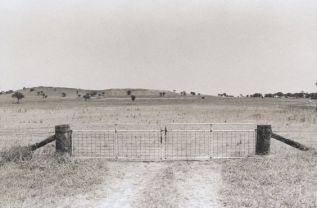 A friend last week reminded me of the time, some years ago, I saw myself as a boundary rider, looking for and mending holes in fences. It probably suited my maverick-like approach to my work, seeking to be a part of but apart from the communities in which I participated.
 Sticking with yesterday’s coffee theme, which is calling again as I contemplate an hour or two working into the evening, the daily prompt brings something to mind.
