
Again, a common theme runs through the selected texts for next Sunday, October 28th.
Job 42:1-6, 10-17
- Sad and sorry Job, accommodating God’s ineffability, reorients his trust in God.
- God rebukes Job’s “oh so right” would-be comforters and feeds them humble pie.
- The closing elysian scene sees Job’s good fortunes and family richly restored.
So what’s the point of the Job saga? What role did it play in the faith community from which it arose? How does it play out today?
Now as then, with prosperity doctrine married to the politics of economic rationalism, we are offered a counterpoint that upholds the dignity of the individual and a warning against confusing God with mammon.
Psalm 34
This prayer of praise echoes the stance of one who, like Job, is reoriented to trust in God in spite of a rough time. Against the zeitgeist of a retributive religious system, the psalmist concludes: “The Lord redeems the life of his servants; none of those who take refuge in him will be condemned.”
Hebrews 7:23-28
Contrasting the work of Jesus as eternal High Priest against the appointed high priests of the old sacrificial system, we come to the crux of the Letter to the Hebrews. Christ has ushered in a new age, a new way of being before God. The old system repetitively cycled God’s people through the need to have their short-fallings made good through the ministrations of equally fallible high priests. The non-fallible Christ, taking on the role of High Priest, breaks the cycle, presenting God’s people as perpetually right with God. Does this mean we no longer sin? No, discerning, confessing and repenting is still part of our inner spiritual cycle, but with an infinitely more confident trust in our calling to Christ-likeness and the fulfillment of Christ-like vocation.
Mark 10:46-52
The healing of blind Bartimaeus is pregnant with meaning in Mark’s telling. An intriguing place to begin is by noting that from all gospel incidents of Jesus healing the blind, it is only here that one is named. Our attention is drawn immediately to the interplay between the identity of the blind man (“Son of Timaeus”) and his raspy calling out to Jesus as “Son of David.” One commentator delves into the Aramaic roots of the name Timaeus postulating its ambiguity of meaning. Does Bartimeaus present as the “son of fame” or the “son of shame?” Either needs rescue from metaphorical blindness if they are to see with the vision of the way of Christ! Bartimaeus trust is uninhibited as he abandons his cloak and, seeing, falls in behind Jesus as he enters his final days.

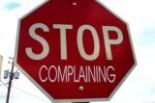
 Here is the counterpoint to any popular “prosperity” gospel. Bad things do happen to good people. Here we see the beginning of a morality tale. Let’s not get side-tracked in the detail of ancient storytelling devices (did God really allow himself to be manipulated by Satan into using Job in some sort of cosmic gladiatorial contest?) Here the stage is set for the real contests that life sends our way. There are no slick answers but something precious emerges from the struggle. That’s the message these opening scenes are meant to convey.


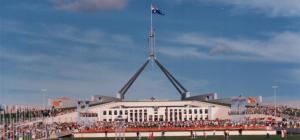 Here is an expression of confidence that the good and righteous will prevail. It has been an interesting week of debate over the role of the new Prime Minister’s personal faith in his public life and particularly as a head of state. As his position came about through a very non-edifying “ides of March” display that is still playing out and critics analyse previous cabinet minister policy formation in the light his faith stance, it is clear that this Psalm comes under the category of Walter Brueggemann’s “Psalms of Orientation” – not quite addressing the period of disorientation we are experiencing right now. It’s a psalm that tells us where we ought to be. We look to the psalms of “disorientation” and “reorientation” that will hopefully put us back on track. My wistful hope is that the church in this country will not delegate its responsibilities to elected public officials but instead adopt its correct prophetic stance as salt and light as participants in a robust democracy.




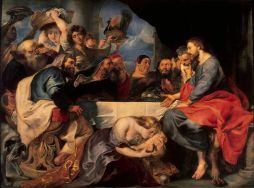 And here is the shadow of all the life, love, goodness and light in the preceding texts. Jesus, in whom all this is embodied, is opposed by the very guardians of this tradition. The problem is they have built so many walls around these precepts that they are no longer recognisable. The harshest words of Jesus are reserved for those who are so dedicated to enforcing the keeping of invented rules and regulations that the essence of receiving the gracious invitation to the fullness of life has become inaccessible.
 What has been is what will be,
