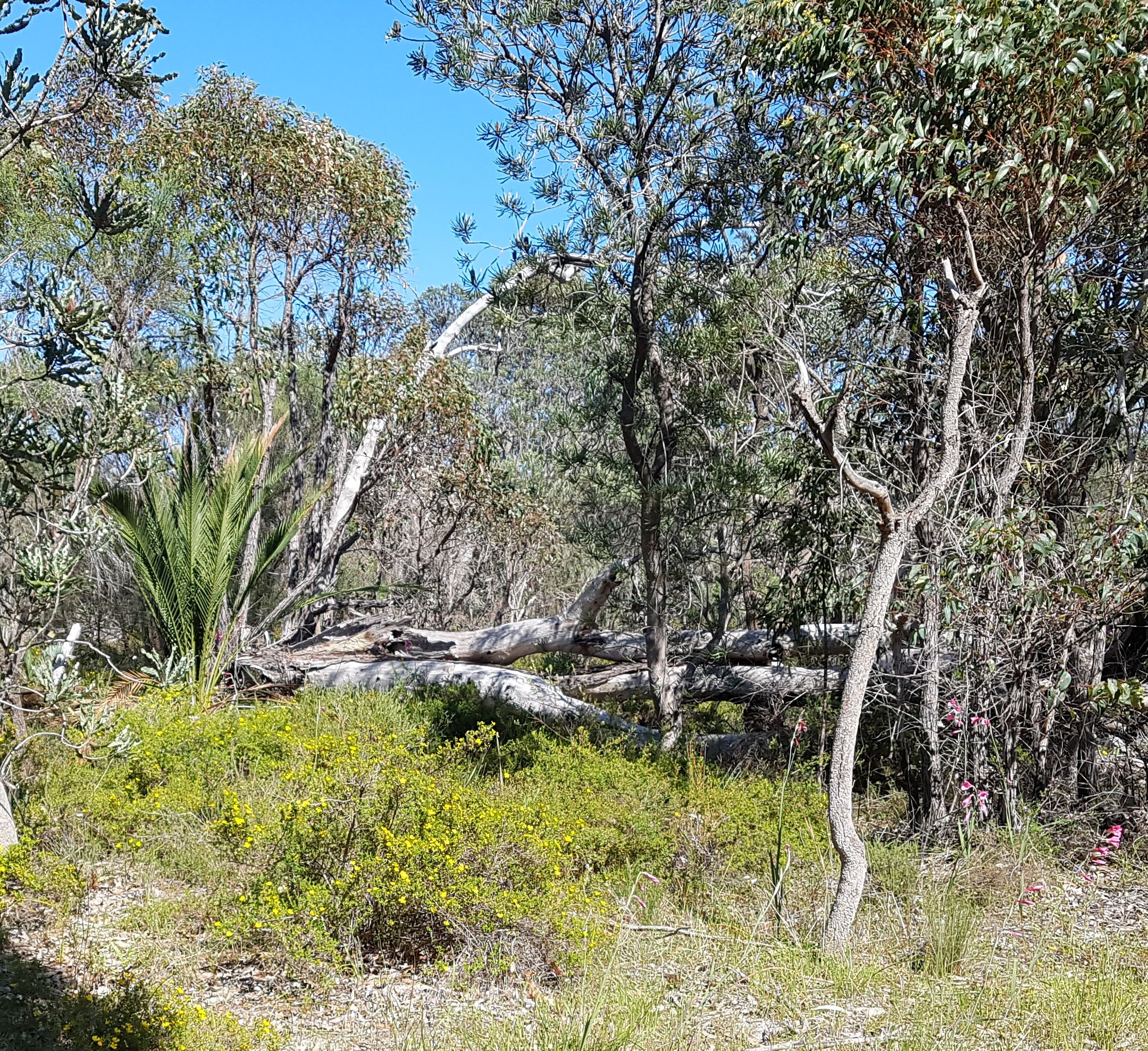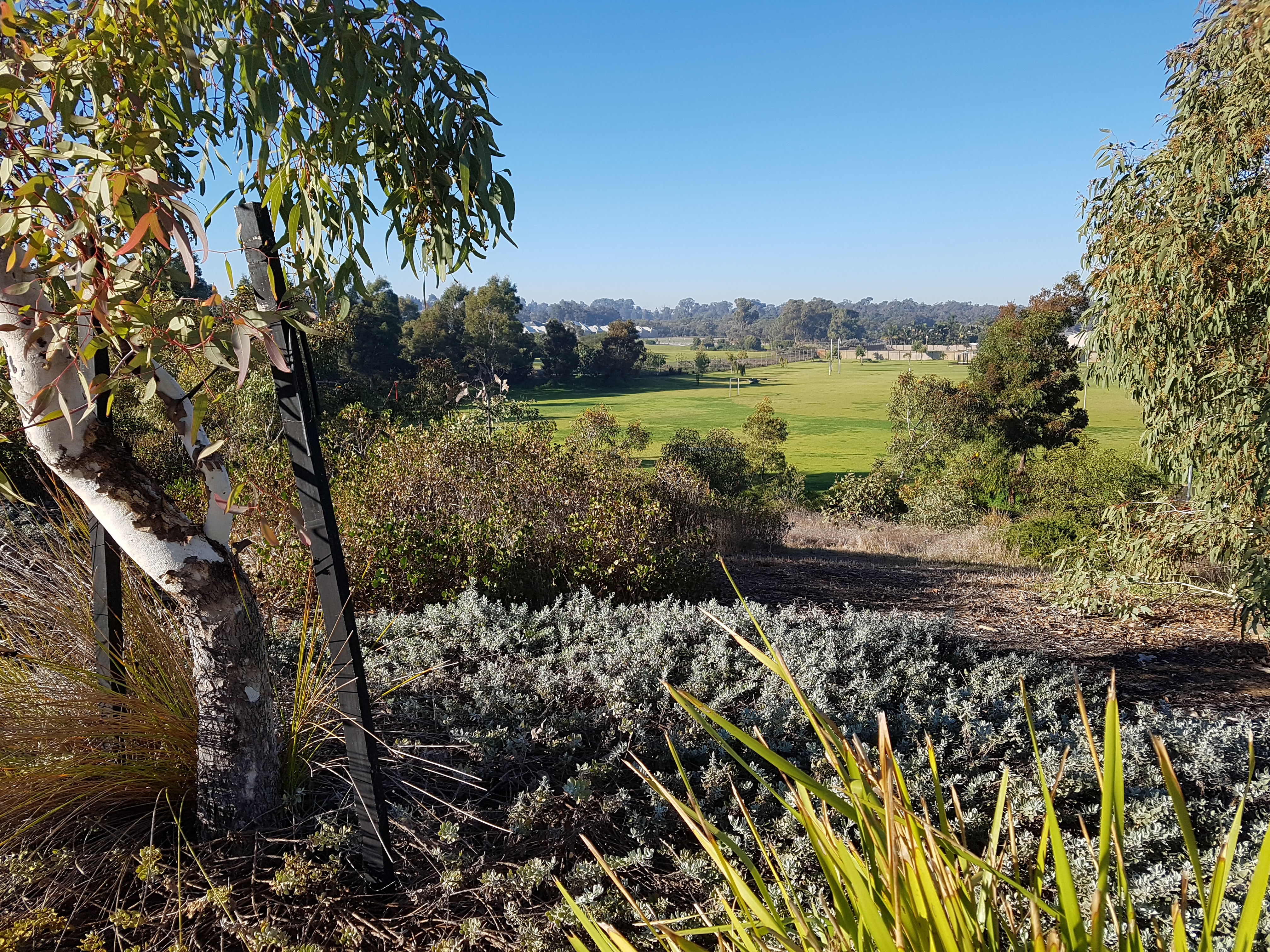
Djilba flora around the corner
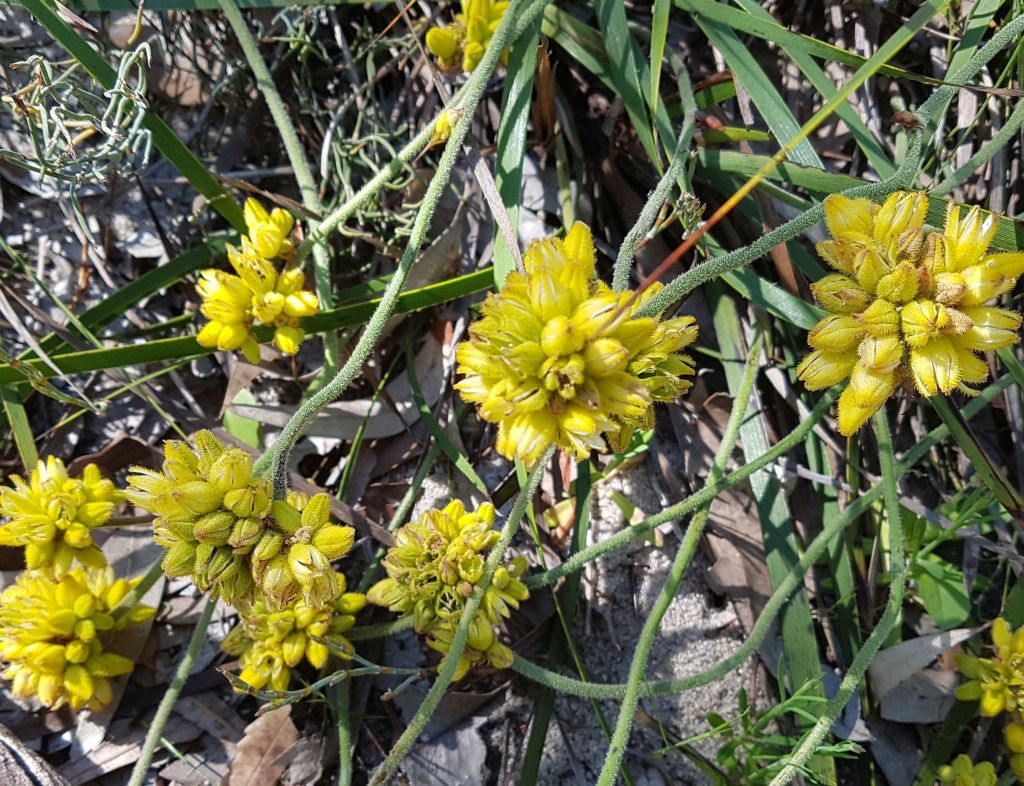
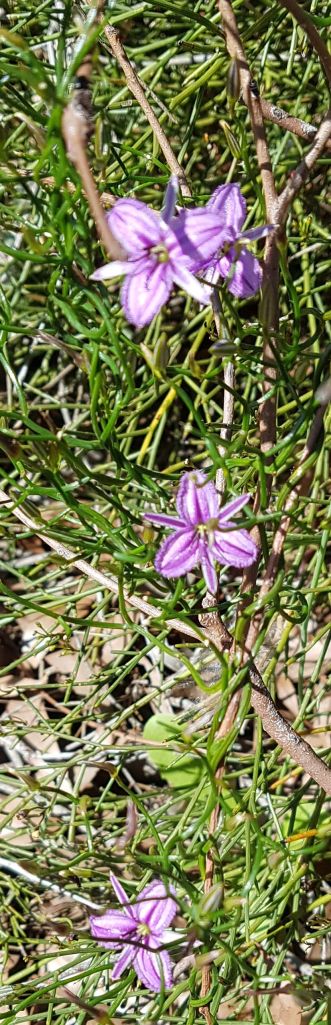
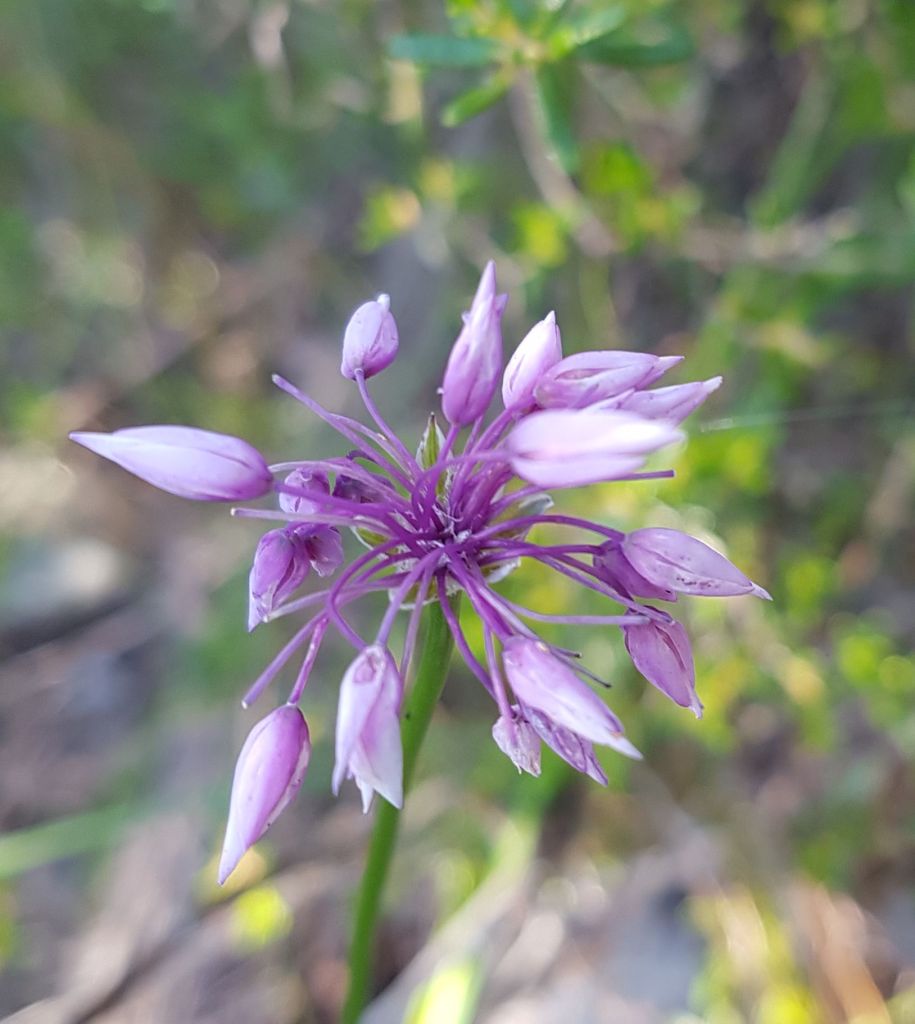
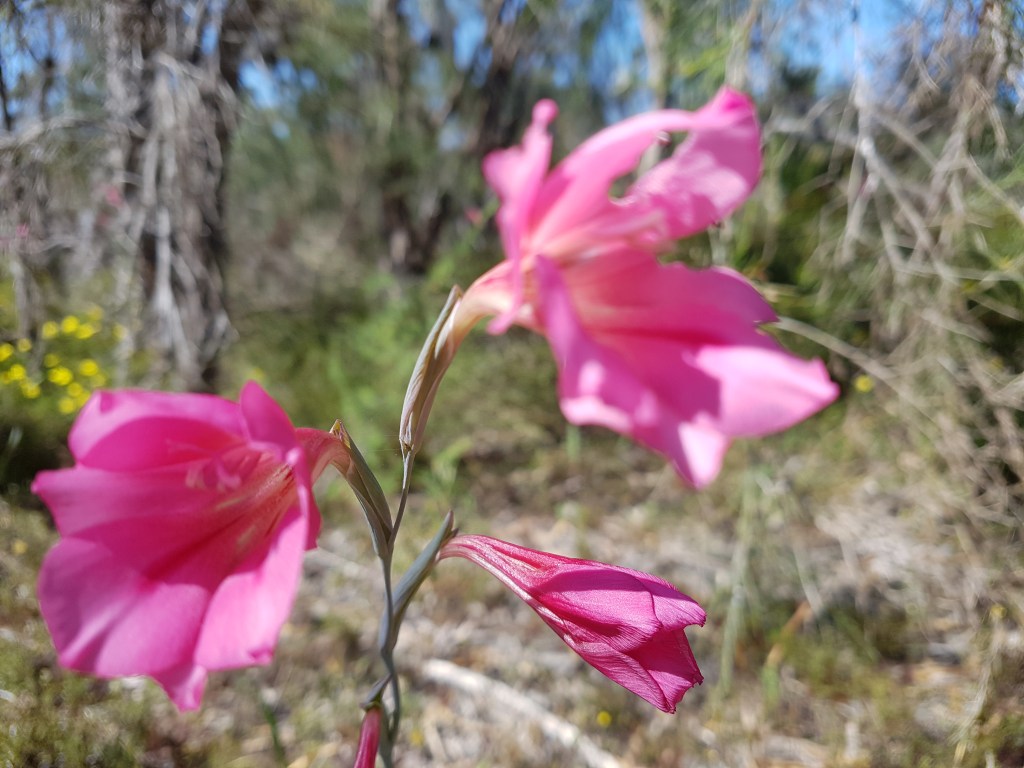
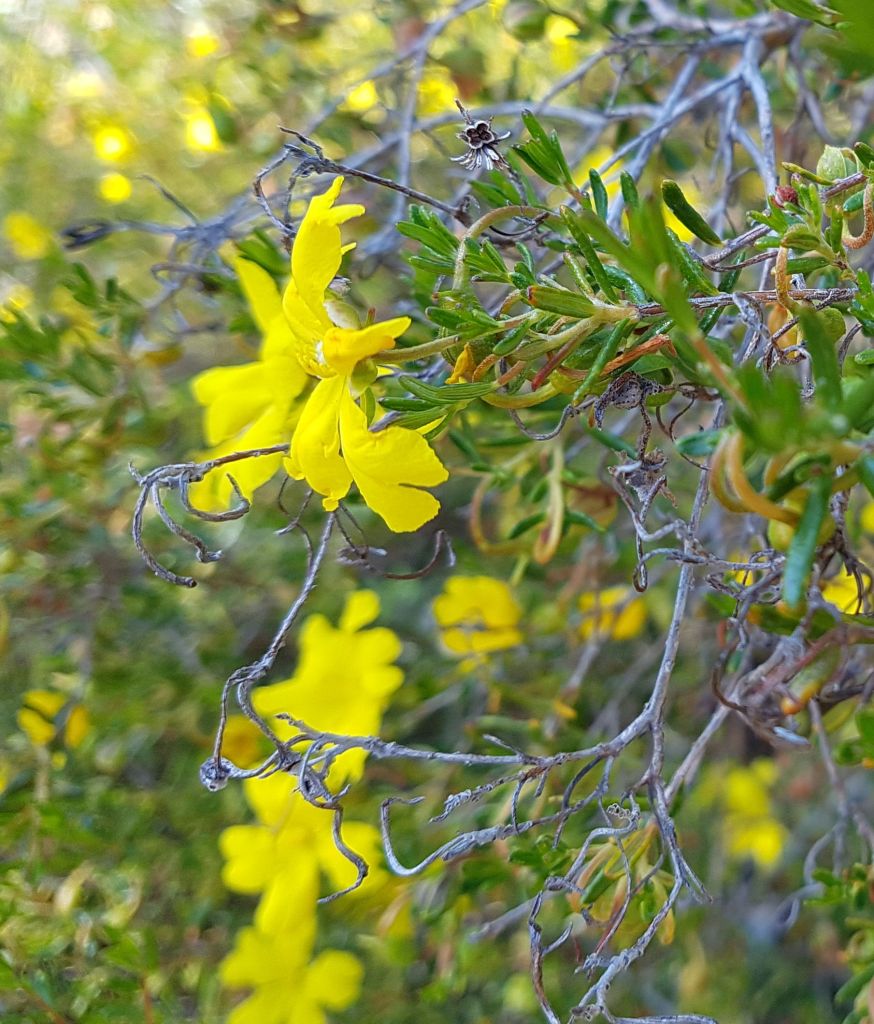
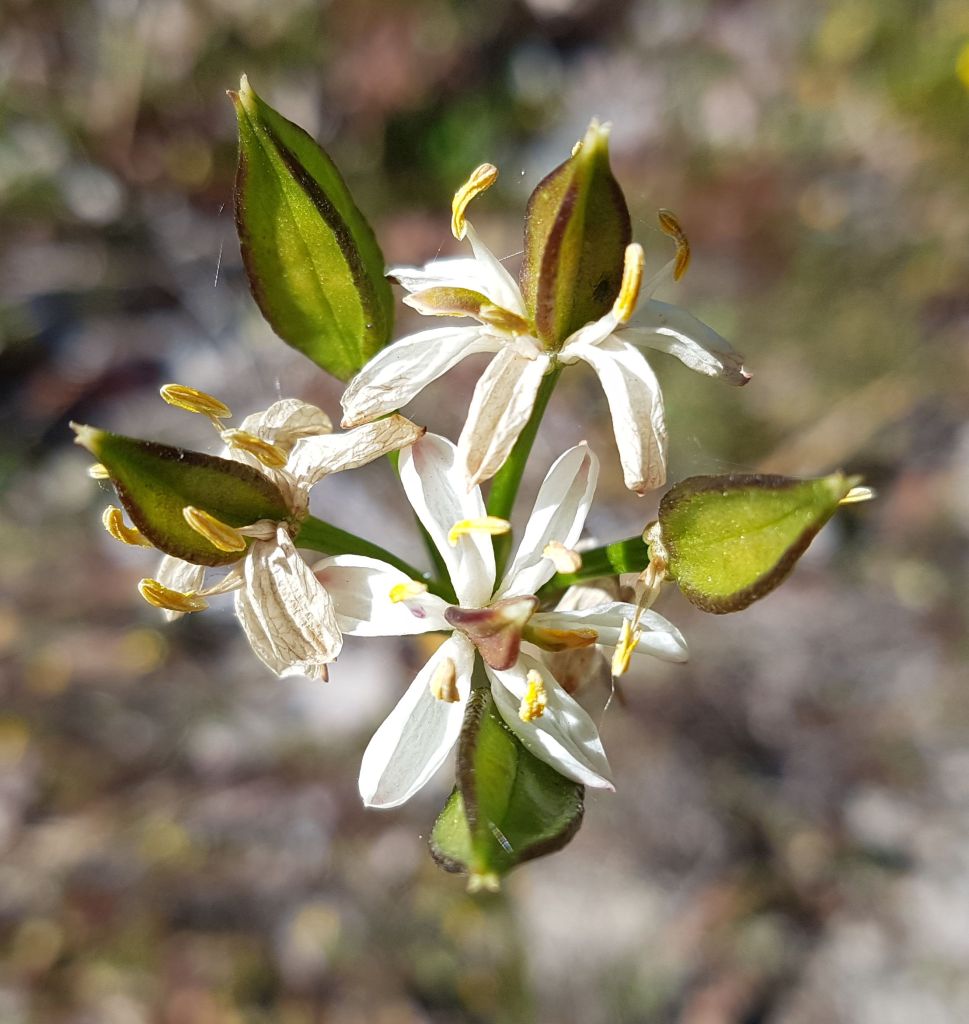
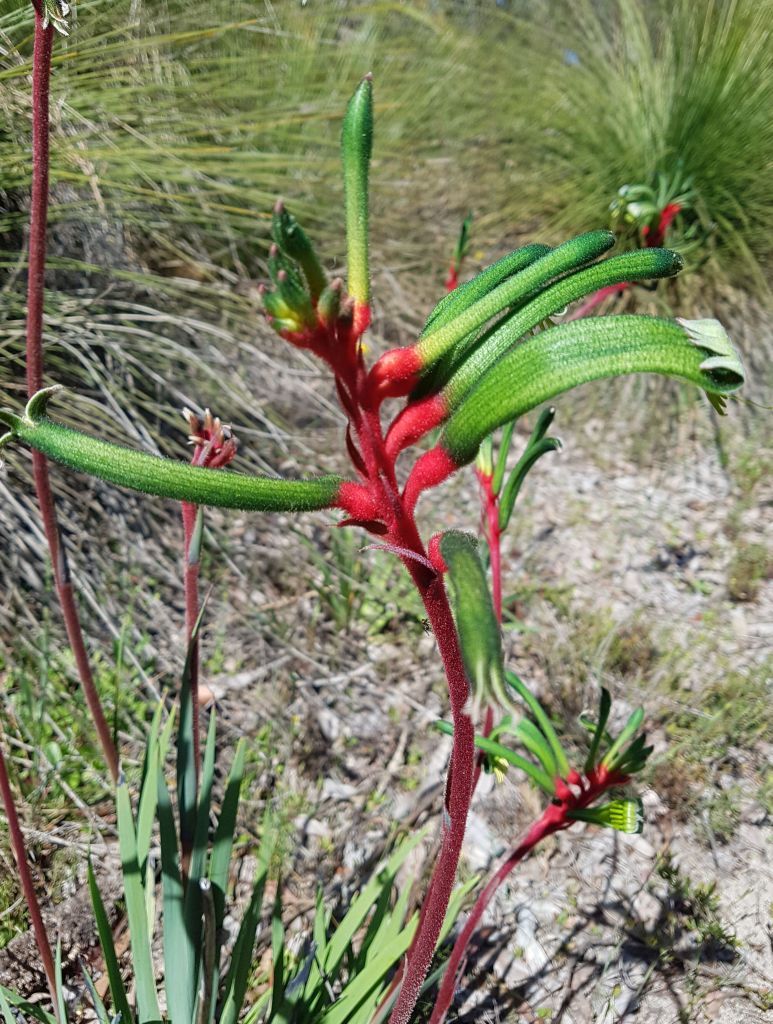
Djilba is the local indigenous season that roughly coincides with late winter/ early spring and it’s when the native flora appears. I found these within a five minute walk from our place.




the ramblings of a perambulent and often distracted sojourner
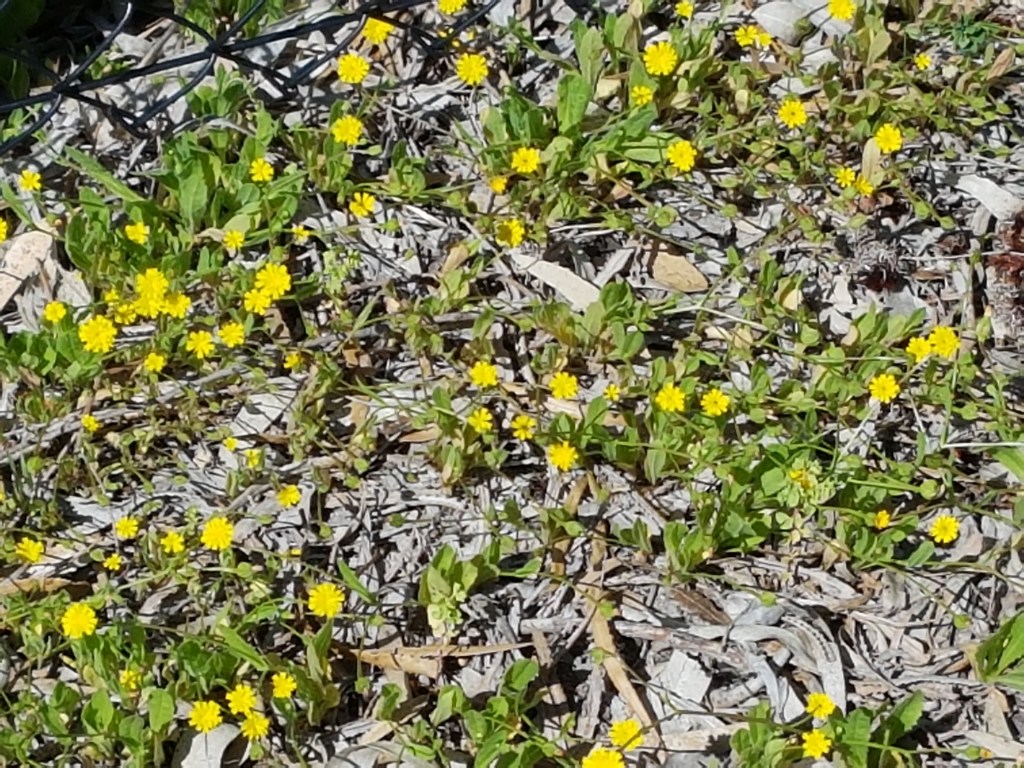
Djilba flora around the corner
Djilba is the local indigenous season that roughly coincides with late winter/ early spring and it’s when the native flora appears. I found these within a five minute walk from our place.


Well we’ve been off the grid since June (in that I’ve not posted much blog wise or social media.) What’s been happening?
So this is why I’ve been a bit quiet online lately. The savvy amongst us may recognise the criss-crossing of the Quadratos four paths of the gospels in the above, dealing with the transforming life patterns of change, pain, bliss and service. (See Alexander Shaia: Heart and Mind: The Four-Gospel Journey for Radical Transformation: Second Edition.) It is amazing at times how each of these seasons can be experienced in the course of a single day. Awareness of this framework has not only kept us sane, but helped us in knowing what to anticipate and how to keep a bumpy ride in perspective.

12“I still have many things to say to you, but you cannot bear them now.13When the Spirit of truth comes, he will guide you into all the truth; for he will not speak on his own, but will speak whatever he hears, and he will declare to you the things that are to come. 14He will glorify me, because he will take what is mine and declare it to you. 15All that the Father has is mine. For this reason I said that he will take what is mine and declare it to you. (John 16:12-15)
The Feast of Pentecost celebrated last Sunday completes something revealed through the Christian story. It brings together the mystery of creative purpose, the human divine reality that walked and continues to walk amongst us and the energy of the ever-present and always abiding spirit. The ancients saw this as the dance of perfect relationship within the one overarching and and ever-loving universal God – described traditionally as Father, Son and Holy Spirit – three-in-one.
Trinity Sunday, the Sunday following Pentecost, sees many pulpit attempts to convey this understanding.
Next Sunday celebrates Pentecost. The Christian faith story left the season of Easter last Thursday by marking the Ascension of the risen Christ – launched out of the midst of the disciples who were still getting used to seeing him around in resurrected form. They are bereft all over again. He’s no longer there? Could they have just imagined these past days of being with him? Had their collective grief been playing tricks on them? But the teaching and promise of these last days has lingered. It’s one thing to have his physical presence with them. It’s another to have a pouring out of an abiding presence of Christ that empowers, emboldens and transforms. This presence, this Holy Spirit, is now immanent. All they have to do is wait. And it will come as Jerusalem celebrates the Festival of Booths (Shavuot) – otherwise known to Christians as Pentecost. They wait…
Something Missing…
Over the weekend it became apparent that the national conversation, unimaginably, has become more and more polarised. Many of a conservative bent, it seems, have been deemed not conservative enough and been pushed aside. Similar rhetoric has taken place on those on the progressive side of the coin. God help those who are conservative in some matters but otherwise progressive! Post federal election recriminations and celebrations have contributed much to the flavour of this discourse, but the squaring off has really only lifted the lid on what has been present for some time – the legacy of the wedge politics that has been used to manipulate power.
Sadly, this cultural affliction seeps into the life of the multi-faceted church communities of the nation. The unity amongst followers for which Christ prayed seems beyond grasp… and yet!
Our historical narrative sees the Risen Christ departing – once again his absence is felt by his disciples still trying to work out what it means to live with resurrection reality. They are left with the promise of the immanent arrival of the Holy Spirit – the abiding dynamic presence of the risen Christ. The only reality they need to know and practice is contained in the very words spoken in this coming Sunday’s text from John’s gospel – the midst of Jesus’ most intense prayer. All else flows on. May it be so!
There is yet hope…
John 17:20-26
20”I ask not only on behalf of these, but also on behalf of those who will believe in me through their word, 21that they may all be one. As you, Father, are in me and I am in you, may they also be in us, so that the world may believe that you have sent me. 22The glory that you have given me I have given them, so that they may be one, as we are one, 23I in them and you in me, that they may become completely one, so that the world may know that you have sent me and have loved them even as you have loved me.
24Father, I desire that those also, whom you have given me, may be with me where I am, to see my glory, which you have given me because you loved me before the foundation of the world. 25“Righteous Father, the world does not know you, but I know you; and these know that you have sent me. 26I made your name known to them, and I will make it known, so that the love with which you have loved me may be in them, and I in them.”
Keeping the word…
In post election Australia, eyes will be on the diligence of the successful party in keeping the promises they have made. The unsuccessful party will be under similar scrutiny. How disposable are the radical policies not bought by the public in maintaining the vision of an alternative way of governing our national affairs? How feasible is it, in opposition, to continue to promote a rejected platform based on an alternative political commitment? How will policies be remoulded over the next three years to become more electorally palatable?
Followers of the Way have no such wriggle room, it seems from this coming Sunday’s reading in John 14:23-24 “Those who love me will keep my word, and my Father will love them, and we will come to them and make our home with them. Whoever does not love me does not keep my words; and the word that you hear is not mine, but is from the Father who sent me.”
In John’s Gospel, “keeping the word” is not blind obedience, but discerning response to the Spirit of Christ that dwells within and amongst followers of Christ. The wider context emphasises over and over again the essential binding unity that is energised by the love of God revealed in the life, ministry, death and resurrection of Jesus of Nazareth.
Perhaps the challenge and role of the Church in post-election Australia is to maintain its witness to this reality in its dialogue with those who represent us in Parliament.
Off to Vote …
Today is “democracy” day in Australia, the official polling day that comes around every three years or so. I dutifully set out for the 2 km walk (and a scaled fence!) to the nearest polling booth (generally closer but our suburb is still being established.) It was a marvellous opportunity to reflect on our process, a comprehensive and safe system involving opportunity for all to have a say in the governing affairs of our nation – as despairing as one gets at the manipulation of powerful vested interests. The system itself, as complex as it gets, has an independent scale of integrity that compares well with voting systems throughout the world.
Anyway, here’s some snapshots I took while on the way.


In the midst of the bright glow of the Easter season, this Sunday’s text from John’s Gospel takes us back to the eve of Jesus’ darkest hour, where he farewells his disciples and leaving a legacy in his words,
… I give you a new commandment, that you love one another. Just as I have loved you, you also should love one another. By this everyone will know that you are my disciples, if you have love for one another.
But is it a legacy? The Cambridge dictionary defines legacy thus:
legacy definition: 1. money or property that you receive from someone after they die: 2. something that is a part of your history or that remains from an earlier time: 3. something that is a result of events in the past…
We may be inclined to think that meanings #2 and #3 fit the bill. The problem is that it promotes a “past” orientation in our thinking. John’s Gospel is very much a text of the present. Even though the text has Jesus speaking of his impending absence and “going where you cannot go” the import of his words is infused with his abiding presence. In the mere act of “loving as Jesus loves” we are being Christ to others. To the degree I see Christ in the other, even the stranger, and act accordingly, Christ is present, as in the words of the Benedictine benediction, “As it was in the beginning, is now, and ever shall be, world without end.”
Easter is more than back to the future. Because of Jesus’ resurrection, all of time collapses into the eternal now. Legacies become redundant.
I recall a moment, not much reflected upon, from a time long ago, sometime in early adulthood when I was in formation for ministry, where I stood atop a ridge in the Grampians, Victoria. The moment comes back in a flash from time to time, a kind of instantaneous remembering that is somehow in the present. Just as quickly, it disappears.
It was a moment of feeling at one with the universe in all its splendour, engaging all five senses and more – that inexplicable sixth sense. Although I was alone on the ridge, I had a deep consciousness of the presence of all the people I had ever met and those that I would meet. They, too, were part of this wholesome union.
It comes to mind again as I hear the words of Christ in this coming Sunday’s Gospel lection:
27My sheep hear my voice. I know them, and they follow me. 28I give them eternal life, and they will never perish. No one will snatch them out of my hand. 29What my Father has given me is greater than all else, and no one can snatch it out of the Father’s hand. 30The Father and I are one.”
I have often been asked, “How can you know you’ve heard God’s voice?” There is a long answer, but I also supply the short one which is the question of how it lines up with what is revealed in our sacred text and faith community.
I have just started reading Richard Rohr The Universal Christ: How a Forgotten Reality Can Change Everything We See, Hope For, and Believe.
I have a feeling my Grampians event will be visiting me a little more often in the days to come!

Okay – I’m inviting some pushback here. I confess to dissatisfaction with the word “hope” engendered by the Easter story. Notions of resurrection, to my understanding, point to a state that is beyond hope – let’s try “certainty!” Hope points to something yet to be realised; certainty points to a reality that already exists. The witness of the first Easter accounts and their enaction in the early Easter community of the Acts of the Apostles declare certainty.
An amazing assertion for me, who for many years has defended the legacy of so-called Doubting Thomas and all his cohorts who play devil’s advocate and toy with hope versus despair. On my umpteenth reading of Thomas’ story in John’s Gospel, it hits me that his eventual faith declaration is based on a personal testimonial certainty, not a mere hope.
Yes, blessed are those who believe without having seen a physical presence of the Risen Christ. And blessed are those whose faith is nevertheless based in certainty. And blessed be those whose faith, right now, is best defined in notions of hope.